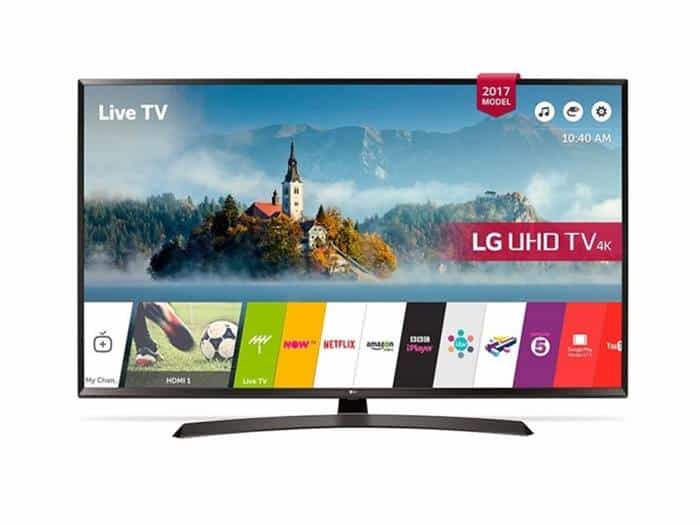
Your LG Smart TV is a sophisticated piece of technology, a powerful computer dedicated to providing you with the best possible entertainment experience. But just like any computer, it can sometimes encounter software glitches, become sluggish, or have an app that freezes. You’re left staring at a frozen screen or a spinning wheel of frustration. In these moments, the single most powerful tool in your troubleshooting arsenal is a restart or a reset.
However, in the world of modern tech support, terms like “restart,” “reboot,” “soft reset,” and “factory reset” are often thrown around interchangeably. This is a dangerous confusion, as these actions are fundamentally different and have vastly different consequences. Choosing the wrong one could unnecessarily wipe all your data and settings.
This guide will serve as your expert technician. We will provide a clear, step-by-step troubleshooting “ladder,” demystifying the entire process. We will explain exactly what each type of reset does, clarify when it is appropriate to use each one, and provide clear, easy-to-follow instructions for every method, whether you have a remote or not. Our goal is to empower you to safely and effectively resolve the vast majority of software-related issues with your LG TV, restoring it to peak performance without unnecessary frustration or data loss.
The Troubleshooting Ladder: Understanding the Different Types of Resets
Before you do anything, it is critical to understand the hierarchy of resets. Always start at Level 1 and only escalate to the next level if the problem persists.
Level 1: The Restart (or Soft Reset)
- What it is: A simple on-and-off cycle that closes all running applications and clears the TV’s temporary, volatile memory (RAM). It does not affect any of your settings, downloaded apps, or account logins.
- The Analogy: This is exactly like choosing “Restart” from the menu on your computer or smartphone.
- When to use it: This should be your first step for common, minor issues like sluggish performance, a single frozen app, or a small audio/video glitch.
- Data Loss: None.
Level 2: The Reboot (or Hard Reset / Power Cycle)
- What it is: The process of physically disconnecting the TV from its power source. This forces a complete shutdown of all hardware components and clears any residual electrical charge from the internal circuits, forcing a totally fresh boot-up.
- The Analogy: This is like unplugging your desktop computer from the wall, waiting a minute, and plugging it back in.
- When to use it: Use this when a simple soft reset doesn’t work, or when the TV is completely frozen and unresponsive to the remote control.
- Data Loss: None.
Level 3: The Factory Reset
- What it is: A complete and total wipe of the TV’s internal storage, returning all software and settings to the state they were in when the TV first left the factory.
- The Analogy: This is like reformatting your computer’s hard drive and reinstalling a fresh copy of the operating system.
- When to use it: This is the “nuclear option.” It should only be used as a last resort for persistent, system-level software problems that survive a reboot, or as a necessary step before you sell or give away your television.
- Data Loss: Complete and irreversible. All of your downloaded apps, account logins (Netflix, etc.), Wi-Fi passwords, picture calibrations, and personal settings will be permanently erased.
The Step-by-Step Guide to Restarting and Rebooting Your LG TV
For the vast majority of problems, one of these non-destructive methods will be the solution.
Method 1: The Soft Reset (Using the Remote)
This is the quickest and easiest first step for a TV that is still responsive.
- With the TV on, press and hold the Power button on your LG Magic Remote for approximately 3-5 seconds.
- Keep holding the button as the TV screen goes black.
- Do not release the button until you see the LG WebOS logo appear on the screen. This indicates the TV has performed a full software restart.
Method 2: The Hard Reset (The Full Power Cycle)
This is the most effective method for clearing deep-seated, temporary glitches.
- Unplug the TV’s power cord directly from the wall outlet. Do not just turn it off at a power strip.
- Press and hold the physical power button on the TV itself (not the remote) for at least 30 seconds. The button is typically located on the bottom center or the back of the TV. This critical step drains the residual power from the TV’s internal capacitors.
- Wait for at least 5 to 10 minutes. This allows all the electronic components to fully reset.
- Plug the TV’s power cord back into the wall outlet and turn it on.
Method 3: The WebOS Restart (For WebOS TVs)
This is a specific sequence for some LG models that forces a reboot of the WebOS operating system.
- With the TV on, press and hold the Volume Down button and the Power button on your remote simultaneously.
- Hold both buttons for approximately 12 seconds.
- Release the buttons when you see the LG logo appear on the screen, indicating that the OS is rebooting.
The “Nuclear Option”: How to Perform a Factory Reset
Proceed with caution. This step will permanently delete your data.
CRITICAL WARNING: What a Factory Reset Erases
Performing a factory reset will remove:
- All downloaded applications.
- All saved account usernames and passwords for your streaming services.
- Your saved Wi-Fi network information.
- All custom picture and sound settings.
- All paired Bluetooth devices. You will have to go through the entire initial setup process again, just as you did on the day you bought the TV.
Method 1: Factory Reset Using the Remote (The Standard Way)
If you can access your TV’s menu, this is the proper way to initiate a factory reset.
- Press the Settings (gear) button on your remote.
- Navigate to All Settings (often represented by three vertical dots).
- Select the General (or System on newer models) menu.
- Scroll down and select Reset to Initial Settings.
- The TV will give you a final, clear warning about what this action will do. Select Confirm to proceed.
- You may be prompted to enter your TV’s password or PIN (the default is often
0000). The TV will then begin the reset process, which can take several minutes, and will restart automatically into the initial setup screen.
What to Do if You’ve Forgotten Your Password/PIN
If you have set a custom password and have forgotten it, you cannot perform a factory reset. However, you can reset the password itself.
- Go to Settings > All Settings > Safety (or Security).
- When prompted for the password, do not enter anything.
- Press the following sequence of buttons on your remote: Channel Up > Channel Up > Channel Down > Channel Up.
- This will bring up a master password screen. Enter
0313or0325. - You will now be prompted to create a new 4-digit password. You can set it to
0000and then proceed with the factory reset.
Beyond Resets: Other Key Troubleshooting Steps
Sometimes, a reset is a symptom of another problem.
- The Software Update: A restart is often required to apply a pending software update. Before you reset, it’s always a good idea to check for one. Go to Settings > All Settings > Support > Software Update and select “Check for Updates.” Keeping your TV’s firmware up to date is the best way to prevent future bugs.
- Clearing App Cache and Data: If your performance issues are isolated to a single app (e.g., only Netflix is freezing), a full factory reset is overkill. Instead, you can clear the data for just that app. Go to Settings > Apps, select the problematic app, and choose Clear Cache and Clear Data.
Frequently Asked Questions (FAQ) about Resetting an LG TV
1. What is the difference between “Restart” and “Reset to Initial Settings” in the LG menu? “Restart” is a Level 1 Soft Reset. It’s a simple reboot that does not delete any of your data. “Reset to Initial Settings” is a Level 3 Factory Reset, which is a complete and destructive wipe of all your personal data and settings.
2. Will a factory reset fix a problem like a black screen or physical damage to the TV? No. A factory reset is a software-only solution. It cannot fix any underlying hardware problems, such as a failed power supply, a bad mainboard, or a damaged screen panel.
3. How often should I reboot my LG TV? A good practice is to perform a full power cycle (a hard reboot) every few months as preventative maintenance to keep it running smoothly. You should perform a soft reset or a hard reboot whenever you notice any significant sluggishness or app glitches.
4. My LG TV is stuck in a boot loop (the LG logo keeps appearing and disappearing). What should I do? A boot loop is a serious issue. First, try a hard reset (power cycle) by unplugging the TV for at least 10-15 minutes. If the problem persists after you plug it back in, it often indicates a failure of the TV’s mainboard or a corrupted core firmware, which will likely require a professional repair.
5. I did a factory reset, but the problem is still there. What does that mean? If a complete factory reset does not resolve your performance issue (e.g., the TV is still freezing or crashing), it is a very strong indicator that the problem is not with the software, but with the TV’s internal hardware. At this point, you will need to contact LG support or a professional repair technician.
The Final Verdict: The Right Reset for the Right Problem
Restarting your LG TV is the most powerful and effective tool in your troubleshooting arsenal, but using the correct method is crucial to avoid unintended and irreversible data loss. The key is to always follow the troubleshooting ladder.
For common, everyday glitches like a frozen app or sluggish performance, always start with a simple Soft Reset using the remote or a Hard Reset (Power Cycle). These non-destructive methods will resolve the vast majority of issues. Only escalate to a full Factory Reset as a final software troubleshooting step, after you have exhausted all other options and are prepared to set up your TV from scratch. By understanding this clear hierarchy, you can confidently and safely resolve most problems, restoring your LG TV to its peak performance and getting you back to your favorite shows.
Learn more about Smart Security
