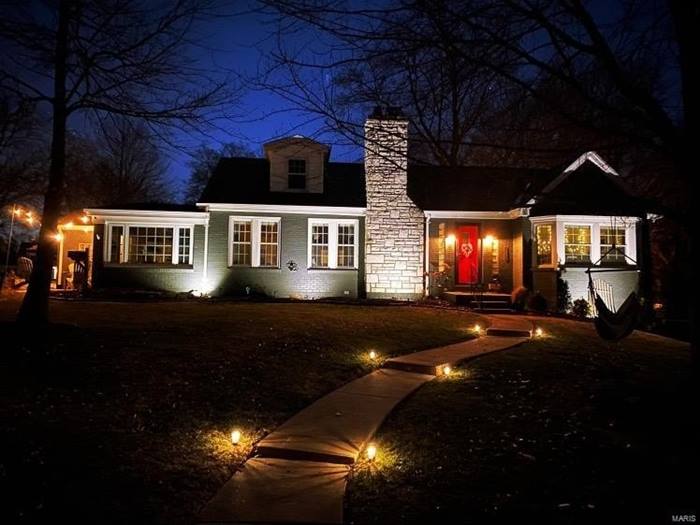
A well-deserved vacation is one of life’s great pleasures—a time to unplug, explore, and rejuvenate. But for many homeowners, this excitement is tinged with a nagging, background anxiety: “Is my home safe while I’m away?” An empty house can be an attractive target for opportunistic criminals and is also vulnerable to internal threats like a burst pipe or an electrical fault. Simply locking the door and hoping for the best is not a viable strategy.
The key to a truly relaxing and worry-free vacation is a robust and systematic security plan, implemented before you ever pack your bags. A modern vacation security plan is a multi-layered strategy that combines timeless physical hardening, intelligent smart home automation, and disciplined social awareness to create a formidable shield around your property.
This will be your definitive, step-by-step playbook. We have broken down the entire process into three distinct phases: The Week Before You Leave, The Day You Leave, and While You’re Away. By following this comprehensive checklist, you can transform your home from a vulnerable target into a hardened, vigilant, and intelligent fortress, allowing you to depart with the ultimate confidence and peace of mind.
Phase 1: The Week Before You Leave – Strategic Preparations
Success lies in the preparation. These are the crucial steps to take in the days leading up to your departure.
Fortify Your “Human” Network
Your most valuable security asset is a trusted person who is physically present.
- The Trusted Neighbor: This is your number one ally. Do more than just say, “We’ll be gone.” Provide a trusted neighbor with your detailed itinerary, emergency contact information, and a spare key. Ask them to perform several key tasks:
- Collect mail, newspapers, and any stray packages or flyers daily.
- Park a car in your driveway occasionally to vary the look of the property.
- Place one of their trash cans next to yours on garbage day.
- Do a quick walk-around of the property every day or two to check for anything unusual.
- Inform the Police (Optional but Recommended): Many local police or sheriff’s departments offer a “vacation watch” or “house check” service. You can formally notify them of your travel dates, and if they have a patrol car in the area with free time, they may perform a periodic drive-by of your property.
The Digital Blackout: Mastering Social Media Secrecy
In 2025, the single biggest giveaway that your home is empty is your social media feed.
- The Golden Rule: Post Your Photos After You Get Back. This is non-negotiable. Do not post real-time updates, photos, or check-ins from the airport, the beach, or your vacation destination. You are broadcasting an open and public invitation to criminals that your home is unoccupied and vulnerable.
- The Family Pact: Ensure that everyone in your travel party, including your teenagers, understands and agrees to this rule. A single geotagged Instagram story can undermine all of your other security efforts.
Manage Your Deliveries
A pile of newspapers on the driveway or a mountain of packages on the porch is a universal sign of an empty home.
- Stop the Mail and Newspapers: Go to the official USPS website and place a formal “Hold Mail” request. Do the same with your local newspaper delivery service.
- Reschedule Package Deliveries: Be proactive. Use services like Amazon Day to consolidate your deliveries for after you return. For other carriers like UPS and FedEx, you can use their apps to place a temporary vacation hold on all incoming packages.
Phase 2: The Day You Leave – The Final Lockdown Checklist
This is your final, pre-departure sweep of the home. Follow this checklist methodically.
The Physical Lockdown
- Doors and Windows: Go to every single exterior door and ground-floor window. Physically check that each one is not just closed, but securely locked.
- Sliding Doors and Windows: These are often weak points. In addition to their standard locks, place a strong security bar or a simple wooden dowel in the interior track, which physically prevents the door or window from being pried open.
- The Garage: This is a critical and often-forgotten entry point.
- Lock the door leading from your garage into your house as if it were your front door.
- For maximum security, unplug your automatic garage door opener. This prevents a tech-savvy burglar from using a “code grabber” device to open it.
The “Disaster Prevention” Lockdown
The biggest threat to an empty home is often not a person, but a burst pipe or an electrical fire.
- Unplug Key Electronics: To protect against electrical fires caused by a power surge, unplug non-essential, high-power electronics. This includes your television, computer, sound system, and small kitchen appliances like the toaster and coffee maker.
- The Water Main: The #1 Tip to Prevent Catastrophic Damage. This is the most important, pro-level tip for any extended vacation. Shut off the main water supply to your house. A small pinhole leak in a washing machine hose that might be a minor issue when you’re home can turn into a catastrophic, multi-level flood after a week of being unattended. Locate your home’s main water shut-off valve (often in the basement, a utility closet, or near the water heater) and turn it to the “off” position.
- HVAC and Water Heater Settings: Set your smart thermostat to an energy-saving “Away” or “Vacation” mode. In the winter, ensure this temperature is set no lower than 55°F (13°C) to prevent pipes from freezing. Many modern water heaters also have a “Vacation” mode that will lower the temperature to save energy.
The “Smart Home” Lockdown: Activating Your Digital Fortress
- Arm Your Security System: Set your system to “Away” mode.
- Enable “Vacation Mode” on Your Smart Lights: Activate the presence simulation feature in your smart lighting app.
- Confirm Your Cameras are Active: Do a quick check in your camera app to ensure all your devices are online and that motion detection and notifications are enabled.
Phase 3: While You’re Away – The Power of Remote Monitoring
A modern smart home allows you to be a “virtual house-sitter” from anywhere in the world.
- The Video Doorbell: If someone rings your doorbell, you will get a call on your phone. Answer it. Speaking to the person in real-time (“I’m a bit busy right now, can I help you?”) is the single most convincing way to make it seem like you are home.
- Security Cameras: You don’t need to be glued to your phone, but a quick, 30-second check of your camera feeds once a day can provide immense peace of mind.
- Smart Water Sensors and Shut-off Valves: This is the ultimate protection against floods. A smart water leak detector (from a brand like Moen Flo, Phyn, or your security company) placed near a sump pump or water heater can send an immediate alert to your phone at the first sign of a leak. Advanced systems can even automatically shut off the water main for you, preventing a disaster.
- Your Professionally Monitored Security System: This is your final and most important safety net. If a burglary, fire, or water leak is detected, the 24/7 monitoring center will be automatically alerted and will dispatch the appropriate emergency services on your behalf, even if you are on a plane and completely unreachable.
Frequently Asked Questions (FAQ) about Vacation Security
1. Should I leave my curtains and blinds open or closed? The best answer is to leave them as you normally would. Completely closed curtains during the daytime can be a sign that no one is home. Partially closed, or leaving them in their usual state and allowing your smart lights to create a “lived-in” look at night, is often the most natural and effective strategy.
2. Is it a good idea to leave a car in the driveway? Yes. A car in the driveway is a strong indicator that someone is home. If you are taking your own car on a road trip, ask your trusted neighbor if they would be willing to park one of their cars in your driveway to maintain the appearance of occupancy.
3. What is the single biggest security mistake people make before going on vacation? Posting about it on social media in real-time. This is the modern-day equivalent of putting a giant sign in your front yard that says, “This house is empty for the next 10 days.”
4. Will my security system still work if the power or internet goes out while I’m away? If you have a reputable, professionally monitored system, yes. The system’s battery backup will keep it running, and its cellular backup will ensure it can always communicate with the monitoring center, regardless of the status of your home’s power or internet.
5. How can I protect my home if I’m a renter in an apartment? Many of the same principles apply. Inform your landlord or a trusted neighbor. Stop your mail. Use smart plugs and bulbs to simulate your presence. And most importantly, invest in a renter-friendly, DIY wireless security system that you can take with you when you move.
The Final Verdict: Relaxation Through Preparation
The key to a truly relaxing and worry-free vacation is a thorough and systematic preparation plan, executed before you ever lock the front door behind you. Your peace of mind on the beach is earned by your diligence at home in the days prior.
The process is a clear one. Prepare your physical and social defenses in the week before you leave. Execute a final, comprehensive Lockdown Checklist on the day of your departure. And leverage your smart home technology to Monitor your property intelligently while you’re away. By following this comprehensive playbook, you can create a multi-layered security shield around your home, allowing you to depart with the ultimate confidence, knowing that your sanctuary will be just as safe and secure as you left it.
Learn more about Security Systems
