A Proactive Playbook for Mastering Your Physical, Digital, and Social Defenses
The most advanced security system in the world is useless if you forget to arm it. The strongest deadbolt is worthless if the door is left ajar. While technology provides an essential and powerful shield for our homes, it is our personal habits—the small, consistent, and often unconscious actions we take every day—that form the true foundation of a secure life.
Most people think of home security as a product they can buy. But true security is a practice. It is a culture you build, a series of conscious, proactive habits that eventually become second nature to you and your entire family. These habits are, without a doubt, the most cost-effective and highest-impact security measures you can implement.
This guide will serve as your definitive playbook for developing that practice. We will move beyond a simple, generic checklist to provide a deep dive into the three critical domains of modern security awareness: the Physical, the Digital, and the Social. For each domain, we will provide a set of essential, actionable habits that will transform your home from a passive target into a hardened, resilient, and intelligent sanctuary.
The Physical Domain: Hardening Your Home Through Daily Routines
This domain is about interacting with the physical world around you to minimize opportunity for criminals.
Habit #1: Master the “Lock-Up Routine”
- The Why: A staggering percentage of burglaries—nearly 30%, according to the Bureau of Justice Statistics—are crimes of pure opportunity, occurring through an unlocked door or window. This is not a sophisticated attack; it is a simple test of your diligence.
- The How: The most powerful security habit is to create a consistent, non-negotiable “lock-up routine” that you perform every single night before bed and every time the house is empty. Make it a family ritual.
- Walk the Perimeter: Physically go to and check every single accessible point of entry on your ground floor.
- Doors: Confirm that all exterior doors, including the door from the attached garage into the house, are not just closed, but that the deadbolt is fully engaged.
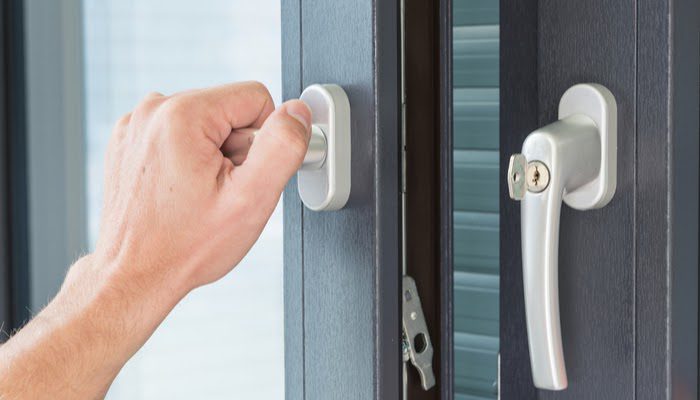
- Windows: Check that all ground-floor windows are closed and securely latched.
- Patio Doors: In addition to the lock, ensure any secondary security bar or pin lock is in place.
- Garage: Confirm that the main garage door is closed.
Habit #2: Practice “Valuables Management”
- The Why: Many burglars will “window shop,” peering through windows to see if a home is a worthwhile target. Don’t give them a reason to choose your home.
- The How: Cultivate the habit of keeping high-value, easily transportable items out of sight from the outside.
- At Night: Close your blinds and curtains.
- Daily: Make it a routine to not leave laptops, tablets, purses, or car keys on a kitchen counter or dining room table that is visible from a front window.
- Long-Term: For irreplaceable items like jewelry, important documents, and cash, the only secure habit is to store them in a high-quality, properly bolted-down home safe.
Habit #3: Maintain a “Clean Perimeter”
- The Why: Overgrown landscaping provides the perfect cover for a burglar to work on a window or door, hidden from the view of neighbors or passing cars. Tools or ladders left in the yard become the burglar’s own tools.
- The How: Make property maintenance a security habit.
- Regularly trim shrubs and bushes so they are no higher than your window sills.
- Limb up large trees to maintain clear sightlines.
- After any yard work, make it a habit to immediately return all tools, ladders, and even garbage bins to a locked garage or shed.
The Digital Domain: Securing Your Smart Home’s Front Door
In 2025, your physical security is inextricably linked to your digital security. Your smartphone app is the key to your kingdom, and it must be protected as such.
Habit #4: Practice Impeccable “Password Hygiene”
- The Why: The number one way a hacker will gain access to your security cameras or smart lock is not through a sophisticated technical exploit, but by using a weak or reused password that has been leaked in another company’s data breach.
- The How: This habit is non-negotiable.
- Use a Password Manager: It is the only way to effectively manage strong, unique passwords in the modern world.
- Unique Passwords for Every Account: Your password for your Ring, SimpliSafe, or ADT account must be long, random, and used absolutely nowhere else.
Habit #5: Enable “Two-Factor Authentication (2FA)” Everywhere
- The Why: 2FA is your single most powerful defense against your password being stolen. It requires you to provide a second piece of information—usually a temporary code sent to your phone—in addition to your password.
- The How: Before you finish reading this article, go into the security settings of every single one of your security-related apps (Ring, Nest, SimpliSafe, etc.) and your primary email account, and enable 2FA now. This habit transforms your account from a locked door into a virtual bank vault.
Habit #6: Practice “Social Media Secrecy”
- The Why: Broadcasting your week-long beach vacation on Instagram in real-time is the modern equivalent of putting a sign in your front yard that says, “This House is Empty and Ripe for the Picking.”
- The How: Make it a strict family rule: Post your photos after you get back. Do not “check in” from the airport, do not post live stories from your resort, and ensure your kids understand the importance of this digital blackout.
The Social Domain: Your Community as a Force Multiplier
Your security doesn’t end at your property line. A connected and aware community is a formidable deterrent.
Habit #7: Cultivate “Active Neighborliness”
- The Why: Your immediate neighbors are the best and most responsive motion detectors you will ever have. They know the normal rhythm of your street and are the first to notice when something is out of place.
- The How: Move beyond a simple wave.
- Learn Their Names and Exchange Phone Numbers: This is the foundation of a community watch.
- Create a Simple Group Text: For urgent but non-911 alerts, like “Did anyone else see that strange van?” or “There’s a loose dog on the street.”
- Practice the “See Something, Say Something” Habit: If you see a stranger walking into your neighbor’s backyard when you know they’re at work, don’t ignore it. Make a friendly but direct call to your neighbor or, if it feels threatening, the police non-emergency line. Look out for each other.
The Proactive Mindset: The Habit of Regular Maintenance and Testing
A security device that doesn’t work is worse than no device at all, as it provides a false sense of security.
- The Monthly “Systems Check” Ritual: On the first Saturday of every month, make it a 10-minute habit to:
- Test Your Alarm System: Put your system into its “Test Mode” and open a door to confirm the signal was received by the monitoring center.
- Test Your Smoke/CO Detectors: Press the test button on every single unit.
- Clean Your Camera Lenses: A quick wipe with a microfiber cloth can be the difference between a blurry image and a clear shot of a suspect’s face.
- The Annual Security Audit: At least once a year, walk your property with a critical eye. Have new vulnerabilities appeared? Has a new tree created a blind spot? Is that back gate still secure?
Frequently Asked Questions (FAQ) about Home Security Habits
1. What is the single most important security habit to adopt? The nightly “lock-up routine.” Given that the majority of burglaries are crimes of opportunity, the simple, consistent habit of ensuring every point of entry is physically secured every single night is the most effective security measure you can take.
2. How can I get my family or roommates to take these habits seriously? Frame it as a team effort for mutual protection, not as a lecture. Gamify it, like the “Lockdown Race.” Explain the “why” behind the rules. A teenager is more likely to care about a strong password for their gaming account if they understand that a compromise there could lead to a compromise of the home’s security app.
3. I have a great security system. Do I still need to worry about these basic habits? Yes, absolutely. A security system is your last line of defense, designed to alert you after a breach has already occurred. Good habits are your first line of defense, designed to prevent that breach from ever happening in the first place. They work together as a layered system.
4. What’s the best way to start a security-focused conversation with a new neighbor? Keep it friendly and low-pressure. “Hi, we’re the Johnsons from next door. We try to keep an eye out for each other on the block. If you’re ever going away and need someone to grab your mail, just let us know. Here’s my number if you ever see anything unusual at our place.”
5. Is it really that risky to post vacation photos on a “private” social media account? Yes. Your “friends” list is likely much larger than you think, and you have no control over who they might share information with. From a security perspective, there is no such thing as a truly “private” social media post.
The Final Verdict: From Random Acts to a Resilient Culture
Home security technology is a powerful and essential tool, but its ultimate effectiveness is either unlocked or defeated by the human habits that surround it. A state-of-the-art lock is useless on an open door. A 4K camera does not protect if its password is “123456.”
True security is not a product you can buy; it is a culture of security you must build. It’s about transforming these simple, individual actions into consistent, unbreakable habits for your entire family. By mastering your physical routines, hardening your digital life, and fostering a sense of social awareness in your community, you are forging the strongest and most resilient shield possible around your home. You are moving from a reactive state of simply hoping for the best to a proactive state of confident preparedness, knowing that you and your family are your own best protectors.
Learn more about Security Systems
